The problem
The club already had a website, and the people running it knew WordPress well. One of the team leaders used to build websites as a hobby, and still helps other groups add features to theirs with plugins.
But WordPress had changed. More of what they wanted needed another plugin or sat behind a paywall, and the page builder, Elementor, was hard to use on a phone. Updating the site meant finding time on a laptop, and that’s hard to do in volunteering time, when there are so many other jobs to get through.
The rest of the admin was heavy too. The organisers had written documents to keep it all clear, but the documents were more work on top. Burnout was taking the place of enjoying the work.
They liked how the old site looked, the soft sage, the serif and the pink script. What they wanted was something simpler that they could change themselves, from a phone, without asking anyone. Some of the members are senior or retired and not confident online, so the public site had to be simple too.
What I did
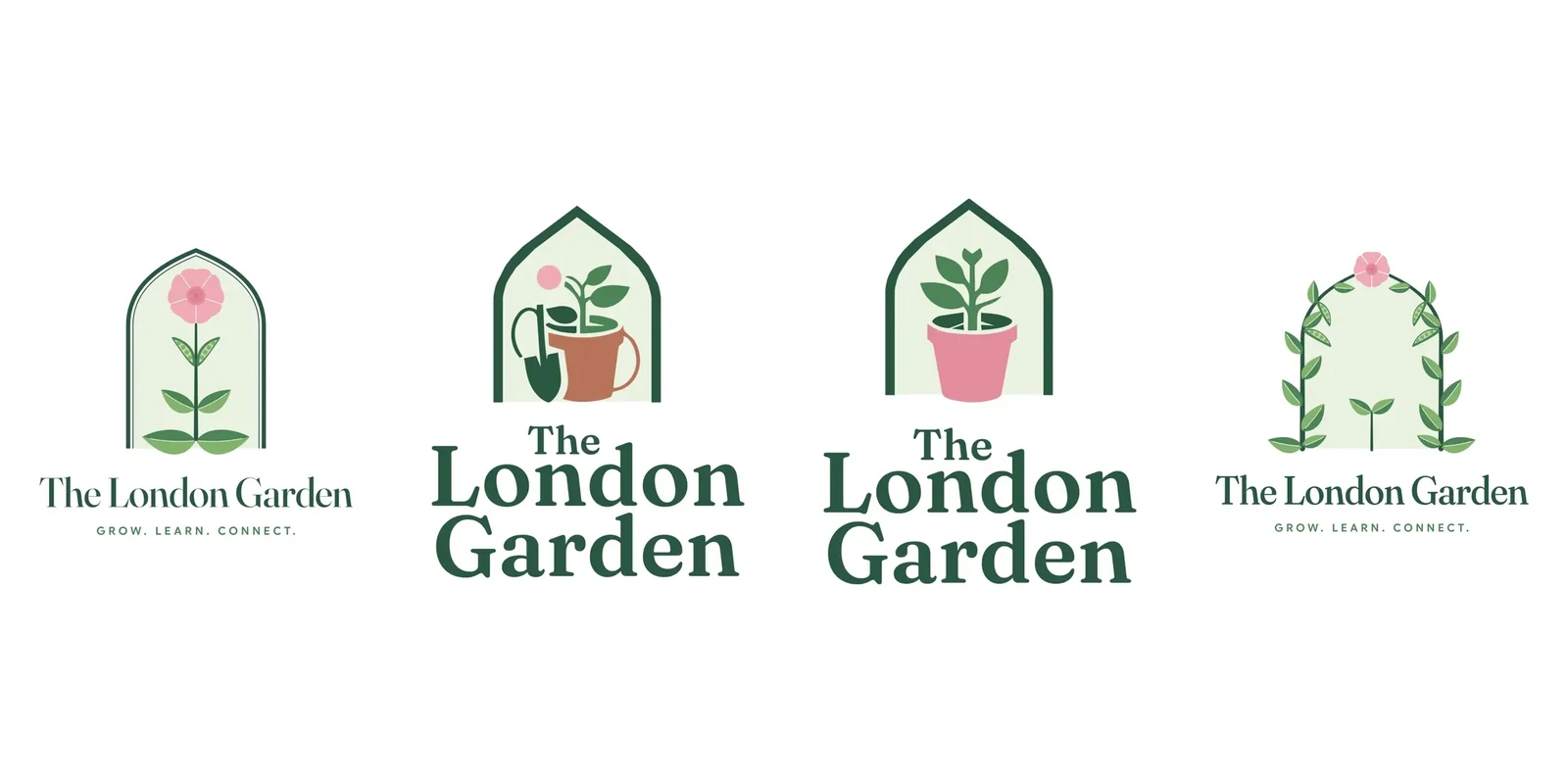
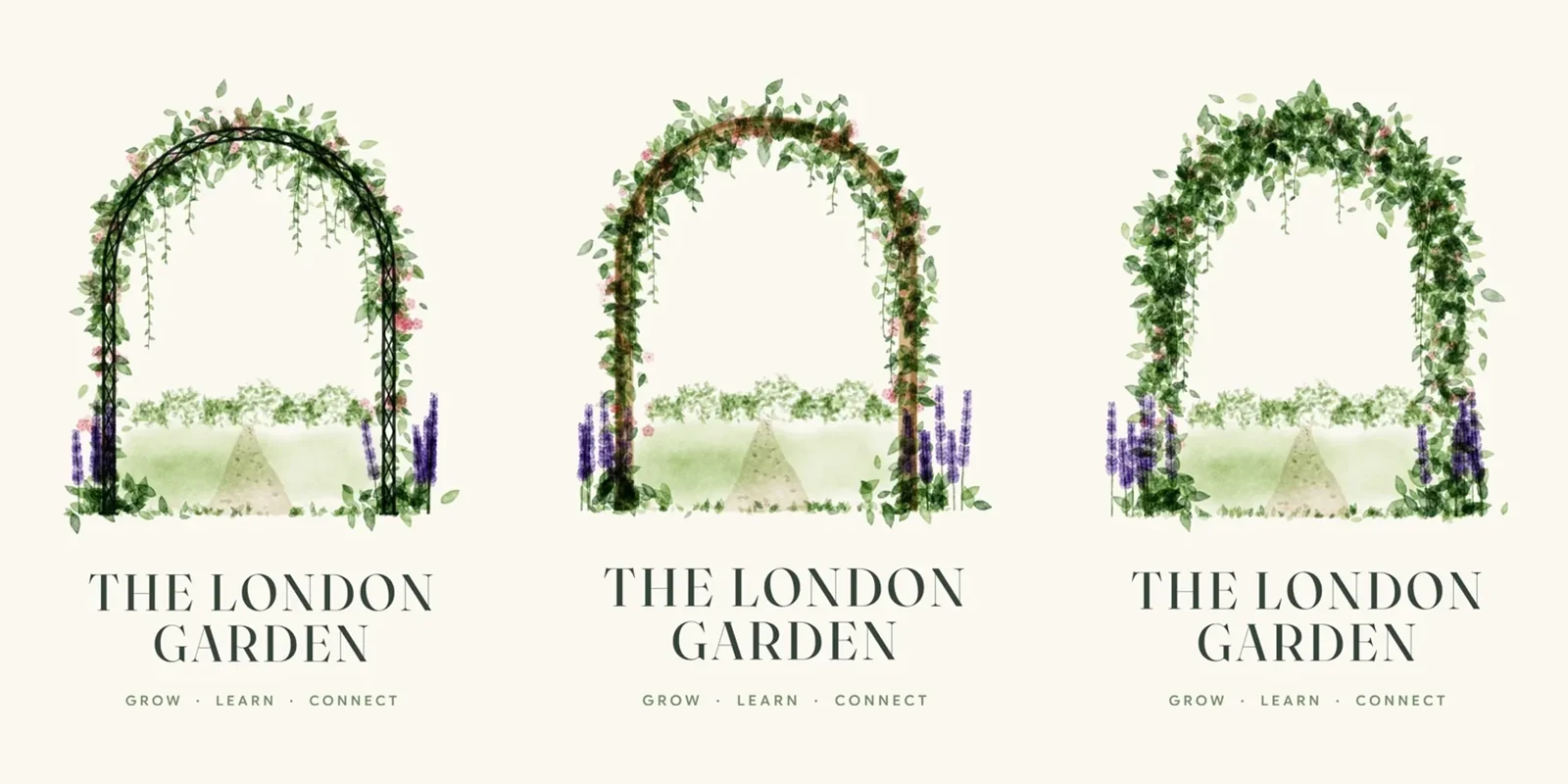
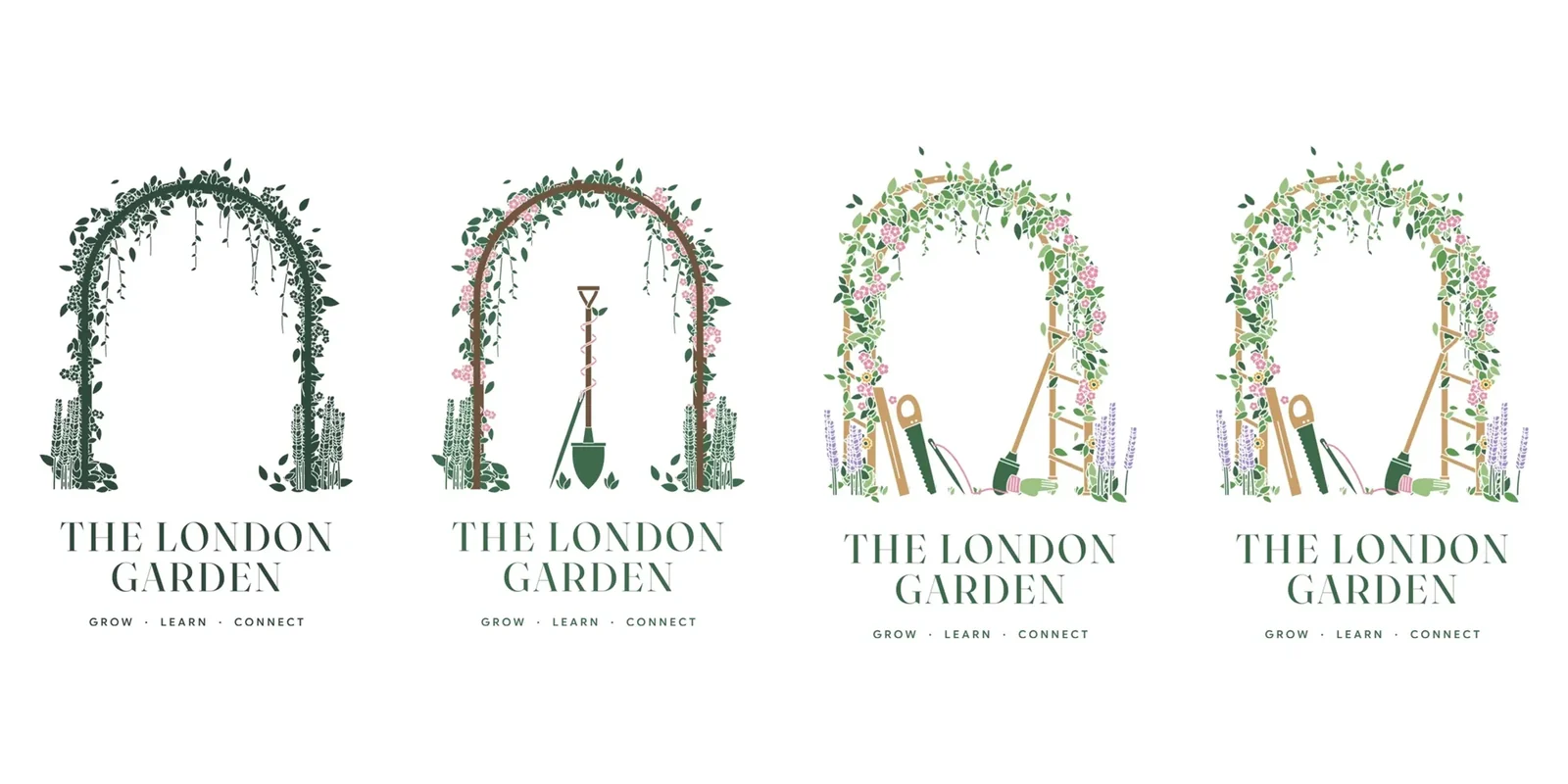
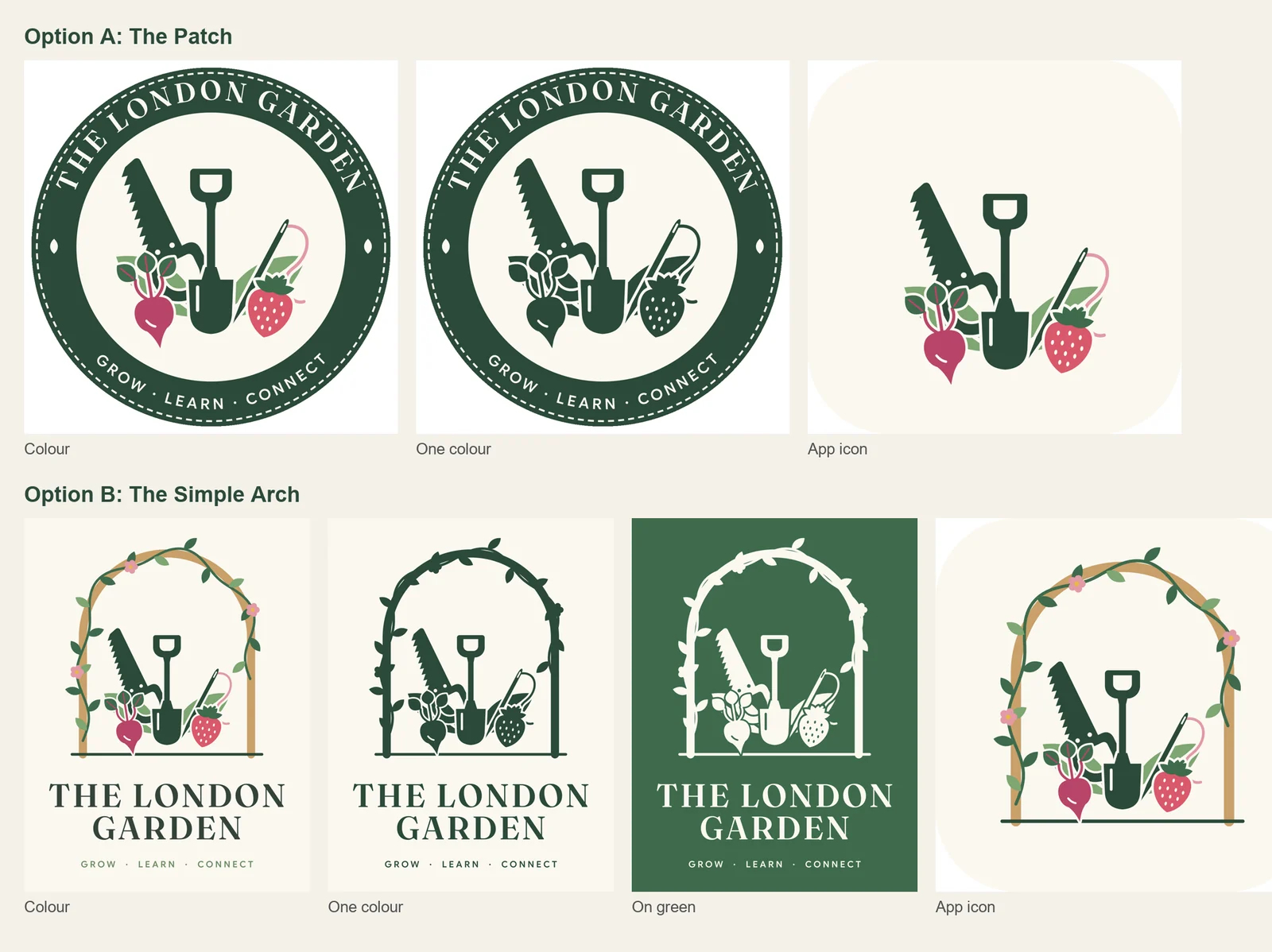
I started with the brand. I wrote a short questionnaire for the organisers to fill in online, and the logo then went through seven rounds, from a first sketch of tools and a needle to four directions, arches around growing things, three painted garden arches and finally one simple arch. On 7 October they sent a fresh brief, and the last round was refined together in the app.


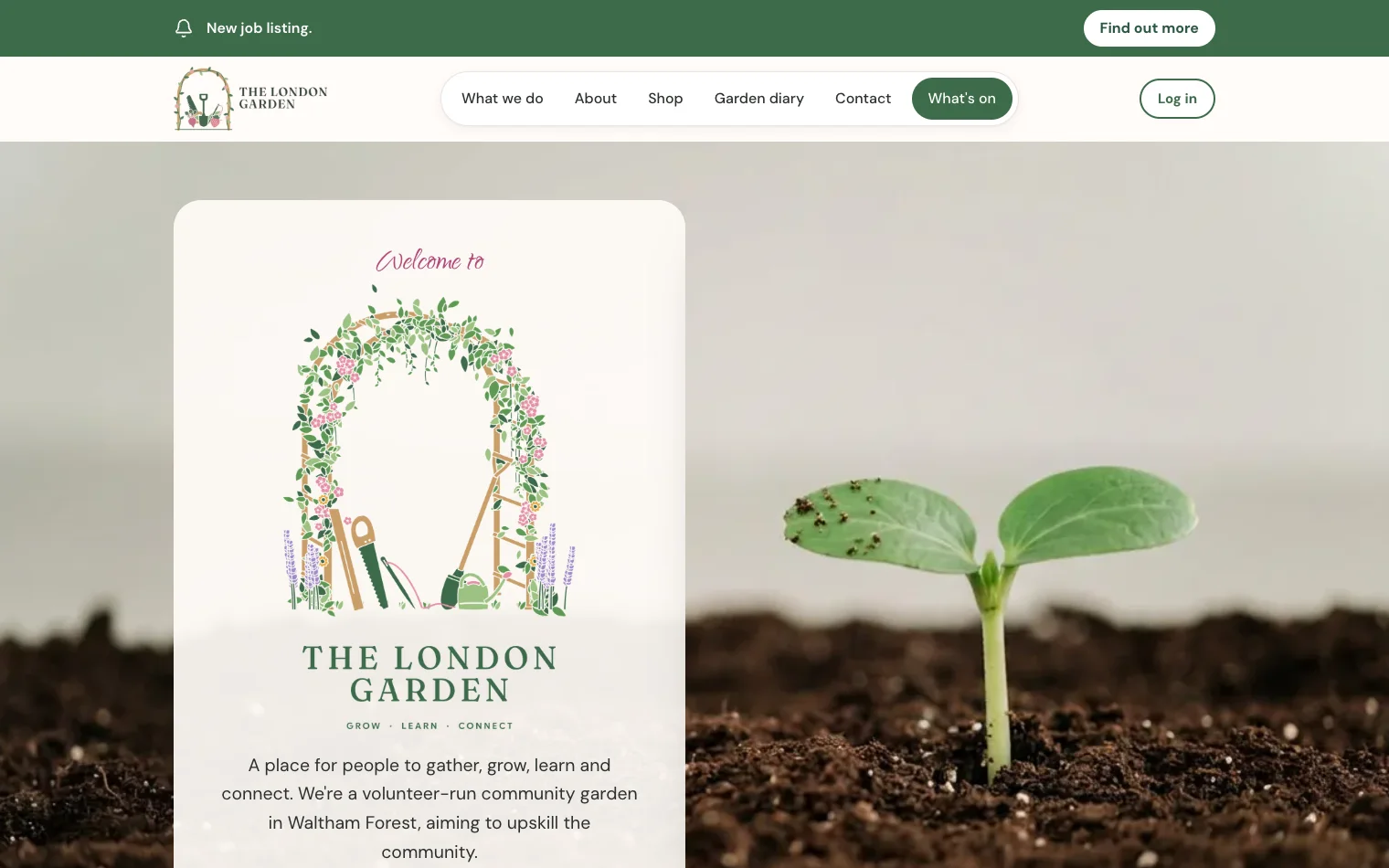
Then I rebuilt the website from nothing. It’s plain pages served from Cloudflare, with no WordPress and no plugins, in the new brand: Fraunces for headings, DM Sans for text, which they chose, and the pink script they liked from the old site. It went live on 3 October 2026, and that evening I backed up the old WordPress and removed it from the host. The next scan came back clean.
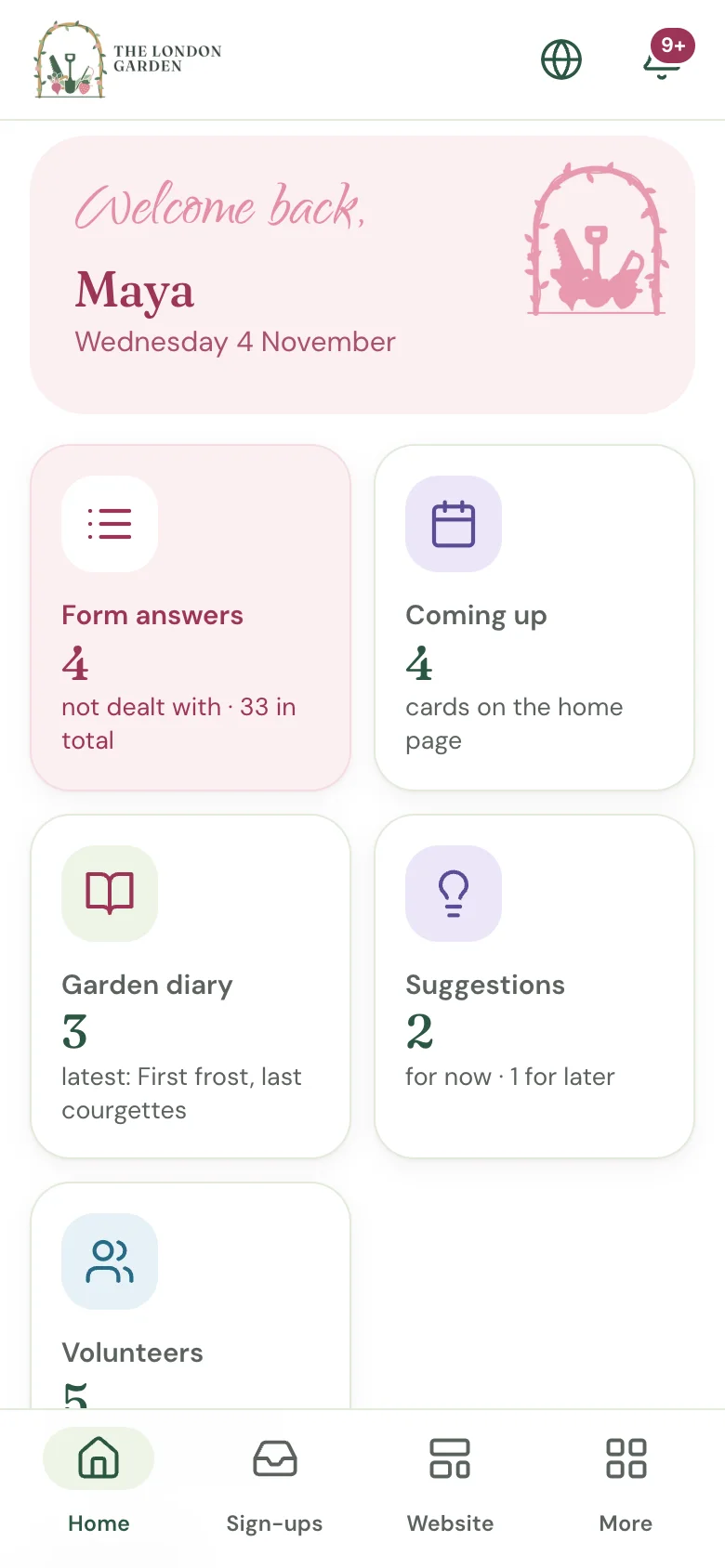
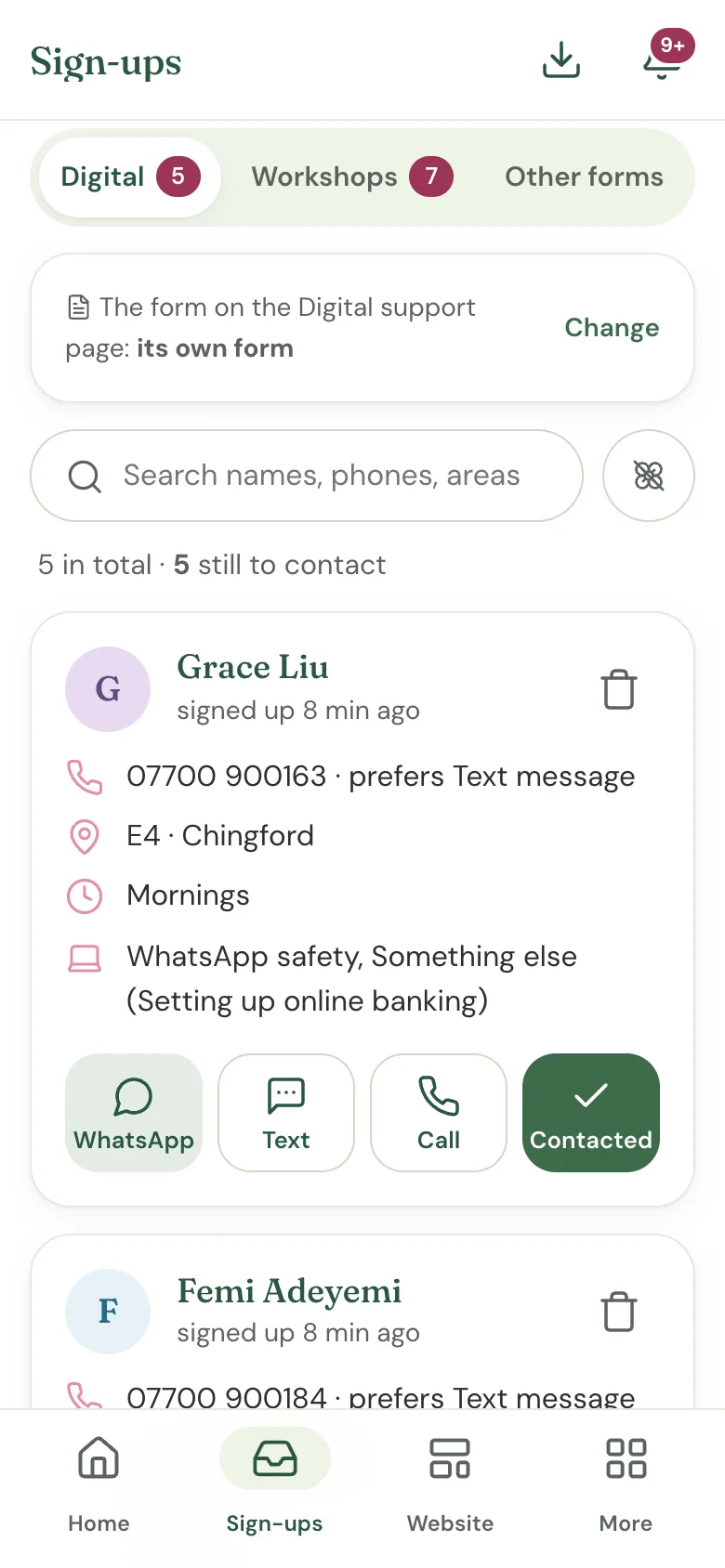
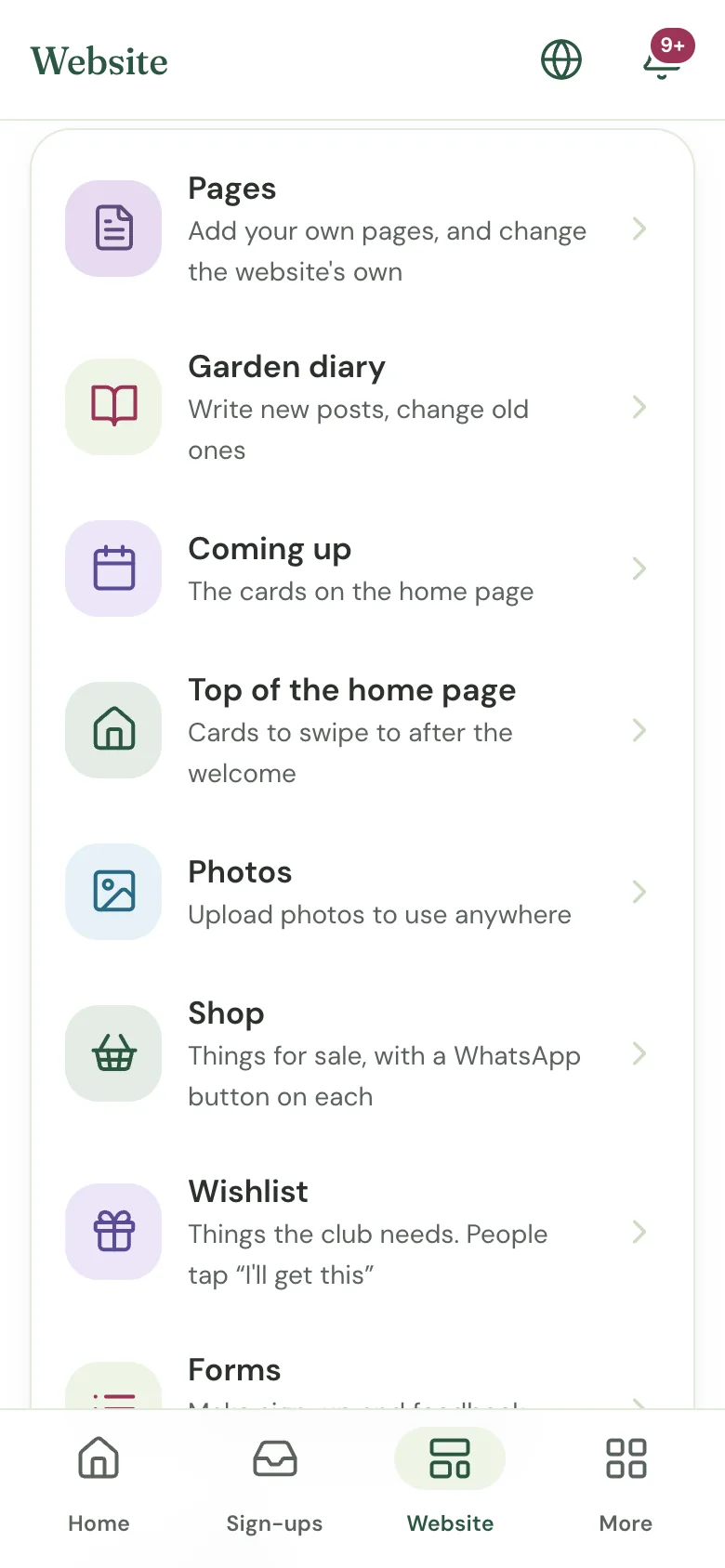
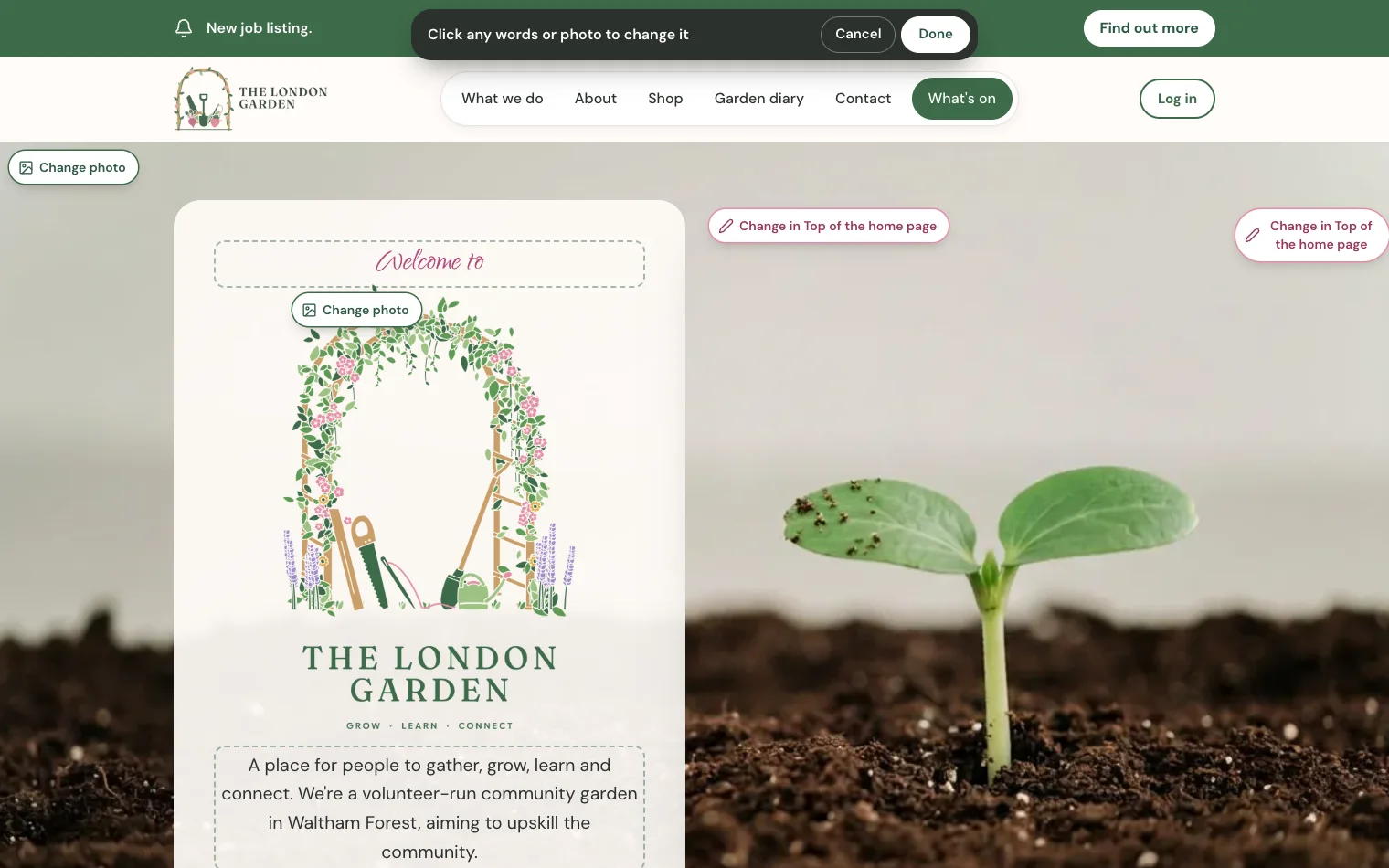
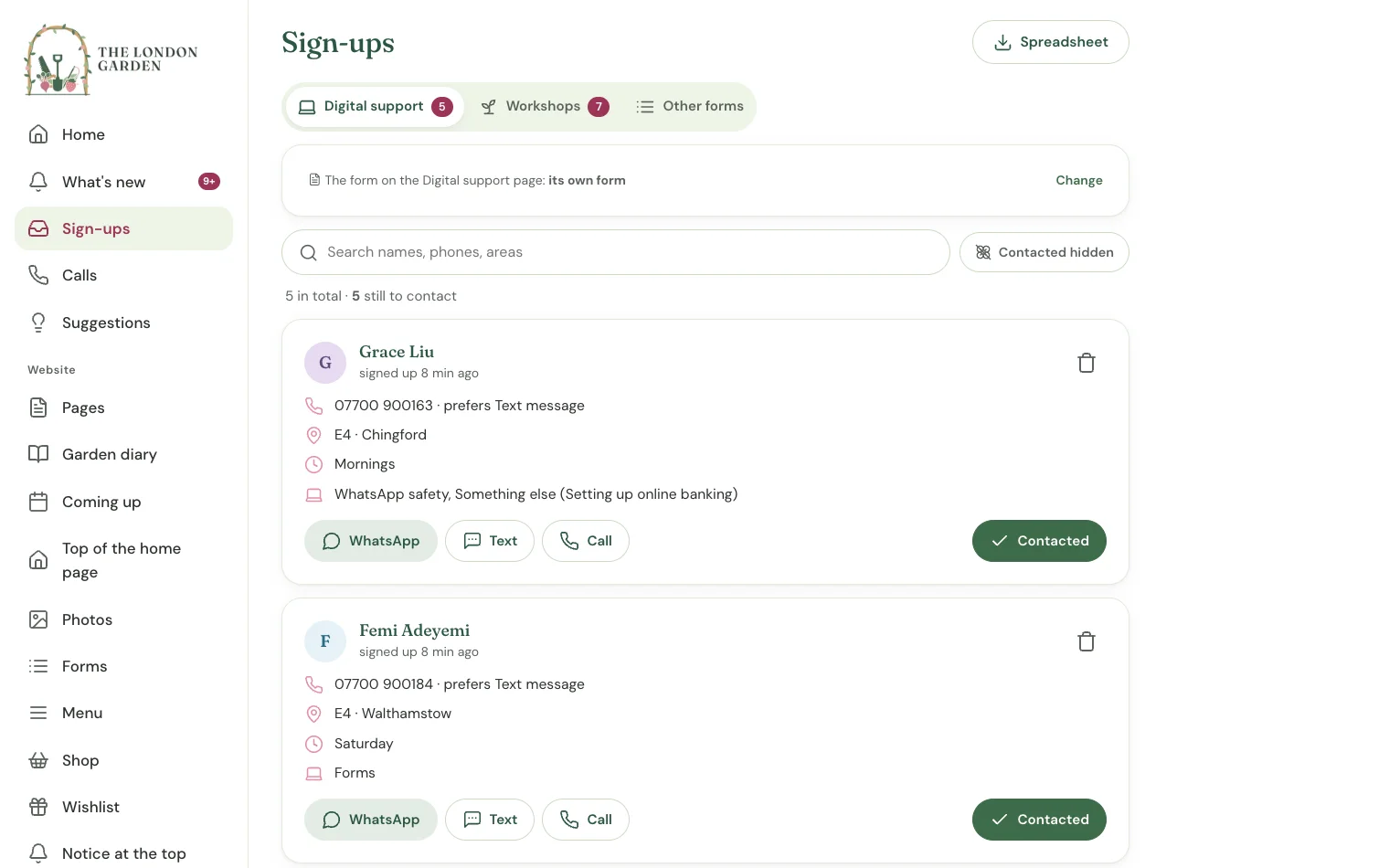
The part the teams use every day is the admin. It’s one app that installs on a phone, and on a computer it lays itself out with a side menu. Sign-ups from the website arrive there with WhatsApp, Text and Call buttons. The organisers can change the event cards on the home page, write Garden diary posts, make their own pages and forms, upload and crop photos, and put a notice along the top of every page. When they’re signed in, every page of the public site gets a small bar so they can edit words and photos right where they are. Volunteers get their own logins, with only the parts they need.
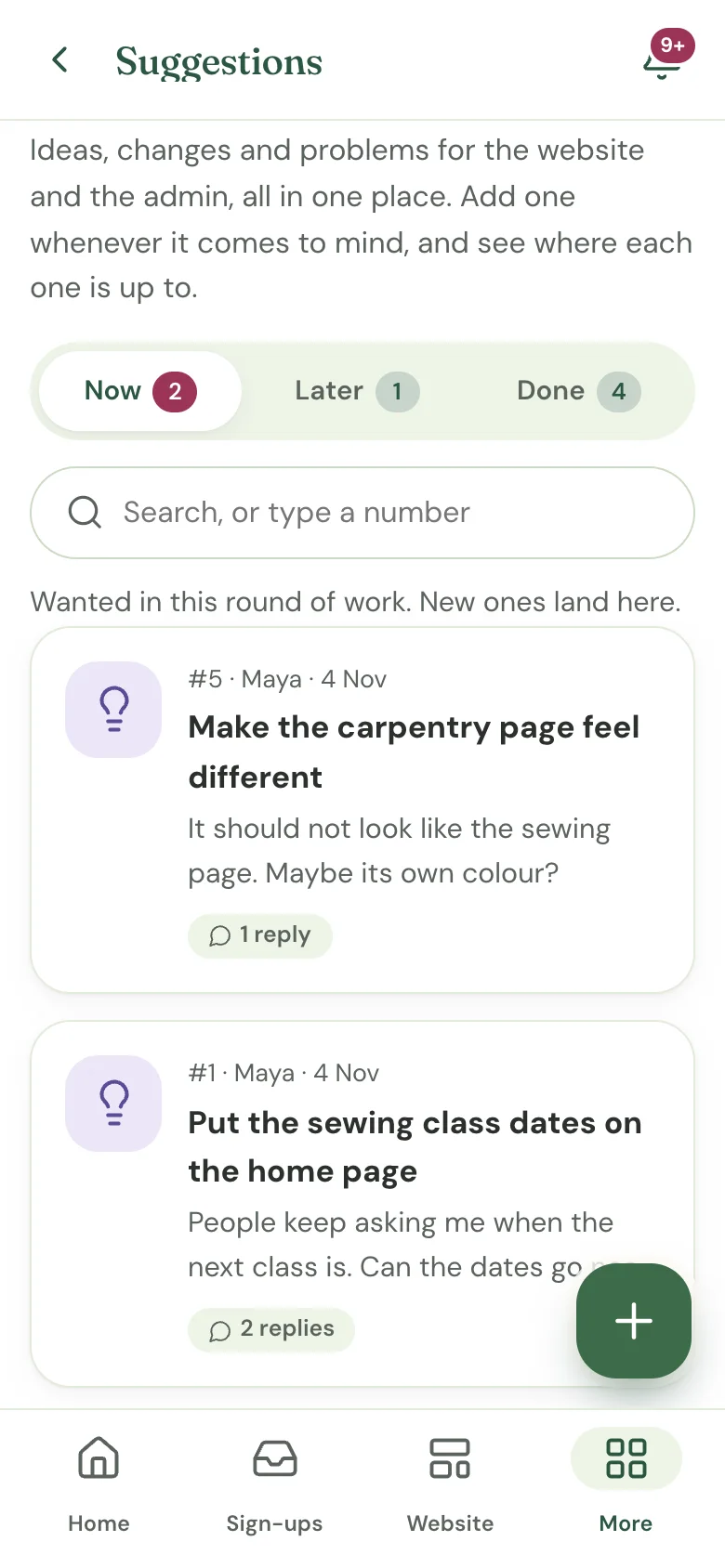
We talk about changes inside the app too. A suggestions board started on 3 October with sixteen requests I moved across from the club’s emails, and by 7 October it had about sixty. Each one has a status and its replies.
Over the following days the board kept the work moving: notifications for new sign-ups and replies, share links for events, a contact form in place of a bare email address, a shop with a WhatsApp button on each item, and, after the first spam message arrived on 7 October, a link filter and an invisible spam check on every form.
Key decisions
Start again instead of fixing WordPress
What I choseI replaced it with plain pages and an admin built for exactly what the teams do.
A tidied WordPress still needs someone to keep it updated, and volunteer time is better spent on the garden. By September the host’s security scan was also flagging files in WordPress’s own folders. Plain pages have no plugins to update.
Anything the admin can’t do yet needs me. The organisers worried about that too, since a group’s needs change. That’s why the suggestions board exists.
Their own WordPress, with only the parts they use
What I chosePages, forms, a menu editor, a notice bar, event cards and editing in place, all in one app.
The teams do this from their phones, between everything else they do for the club. Every screen had to make sense the first time.
It does less than WordPress. When the club needs something new, it goes on the board and I build it.
Every change can be put back
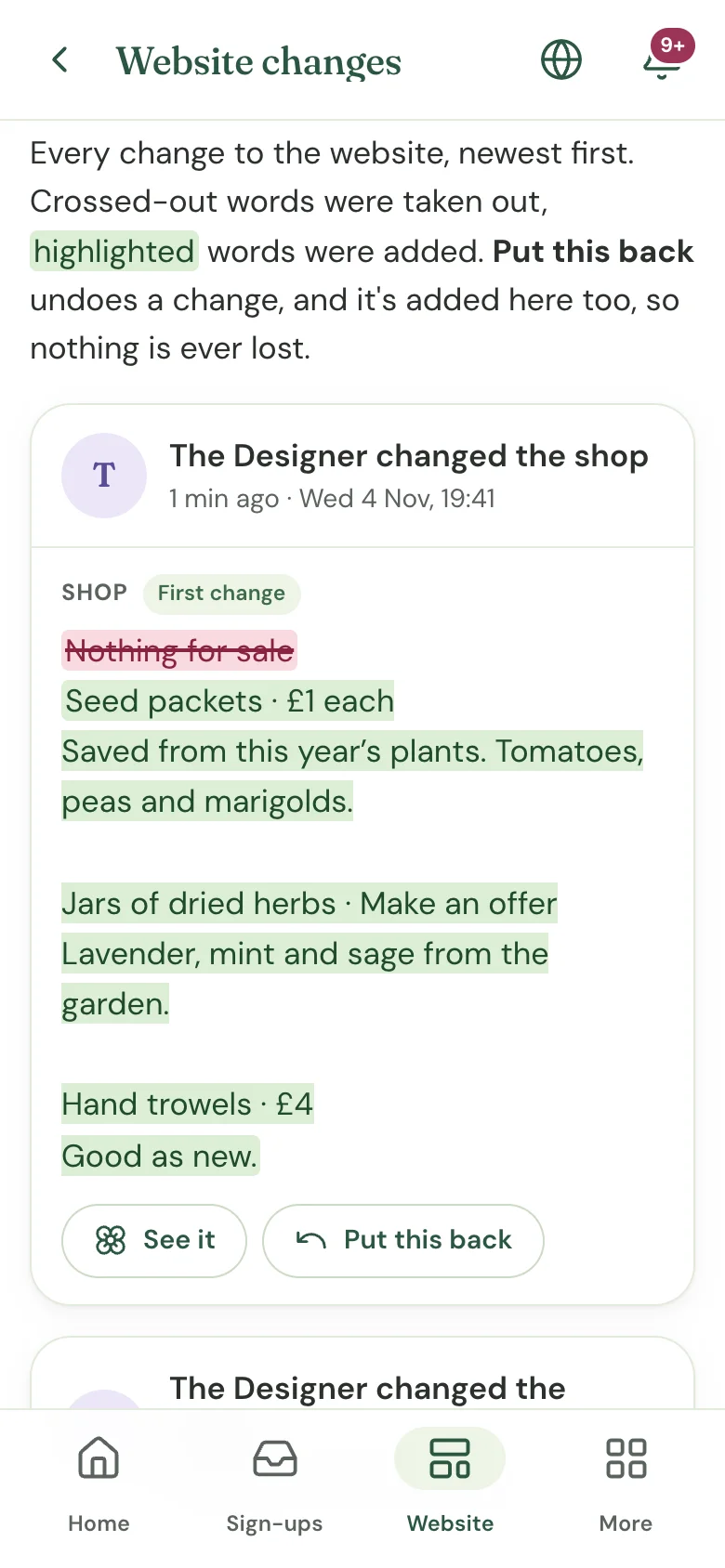
What I choseWebsite changes lists every edit with the words before and after, and Put this back undoes any of them. Undoing is listed too, so nothing is ever lost.
The teams should be able to try things without worrying about breaking the site.
Every change is kept, so the history only grows.
Three statuses on the board, not five
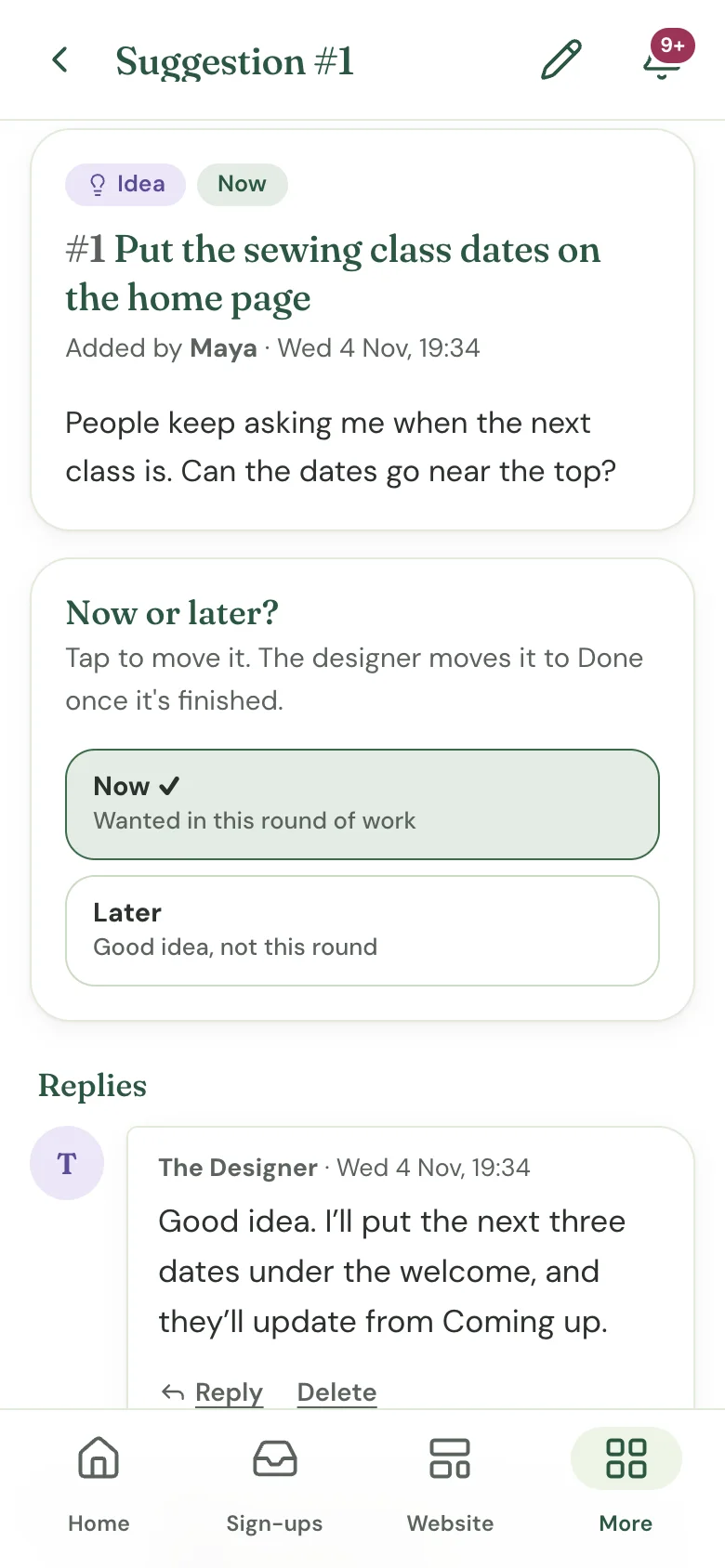
What I choseOn 5 October I cut it to Now, Later and Done. The organisers move things between Now and Later, and only I mark something Done, with a short reply once it’s live.
Five statuses meant they had to decide what each one meant. With three, the only choice is whether they want it in this round of work.
Ideas I won’t build sit under Later rather than being closed. I say so in a reply instead.
The work
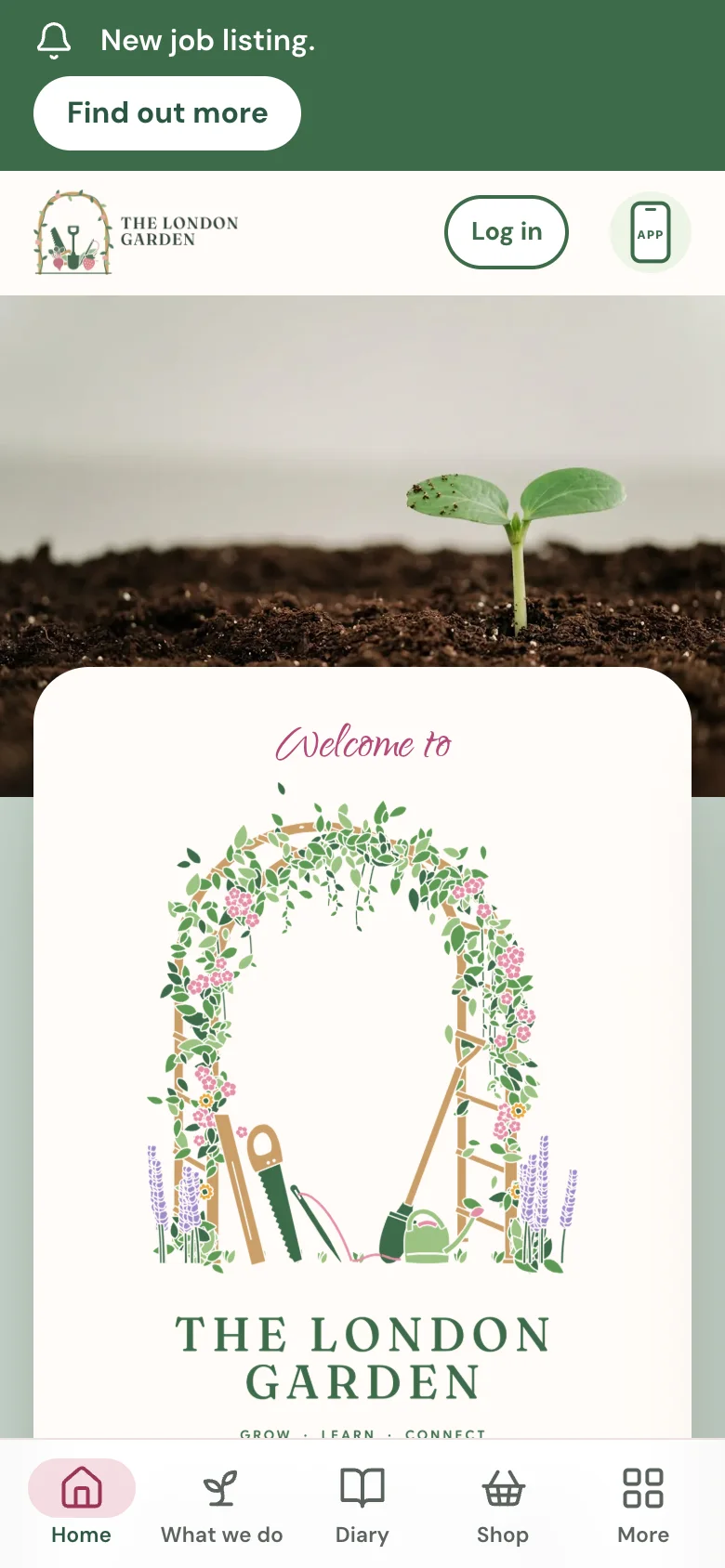
Here’s the new website first. The arch from the logo frames the welcome, and the free digital support sessions get a page of their own, for people who want help getting online.
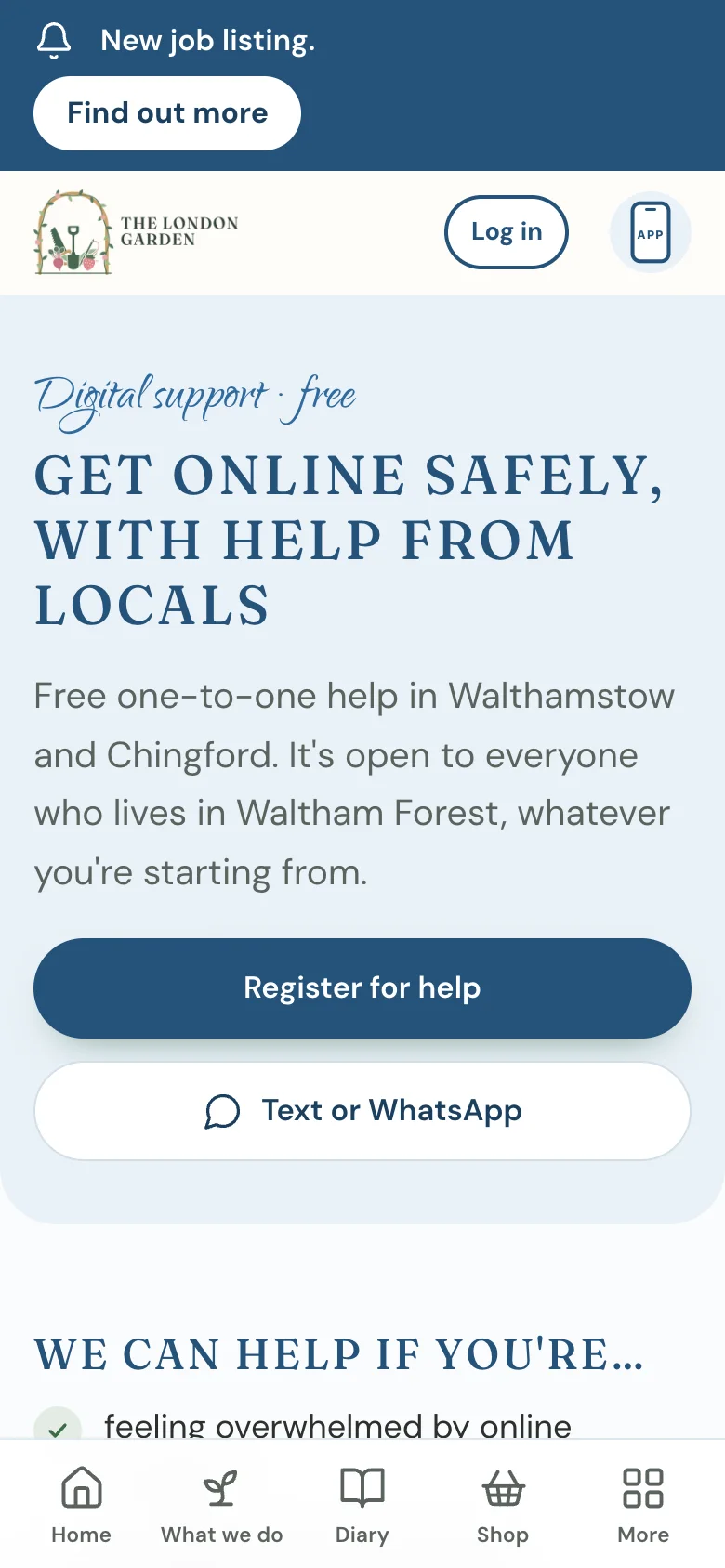
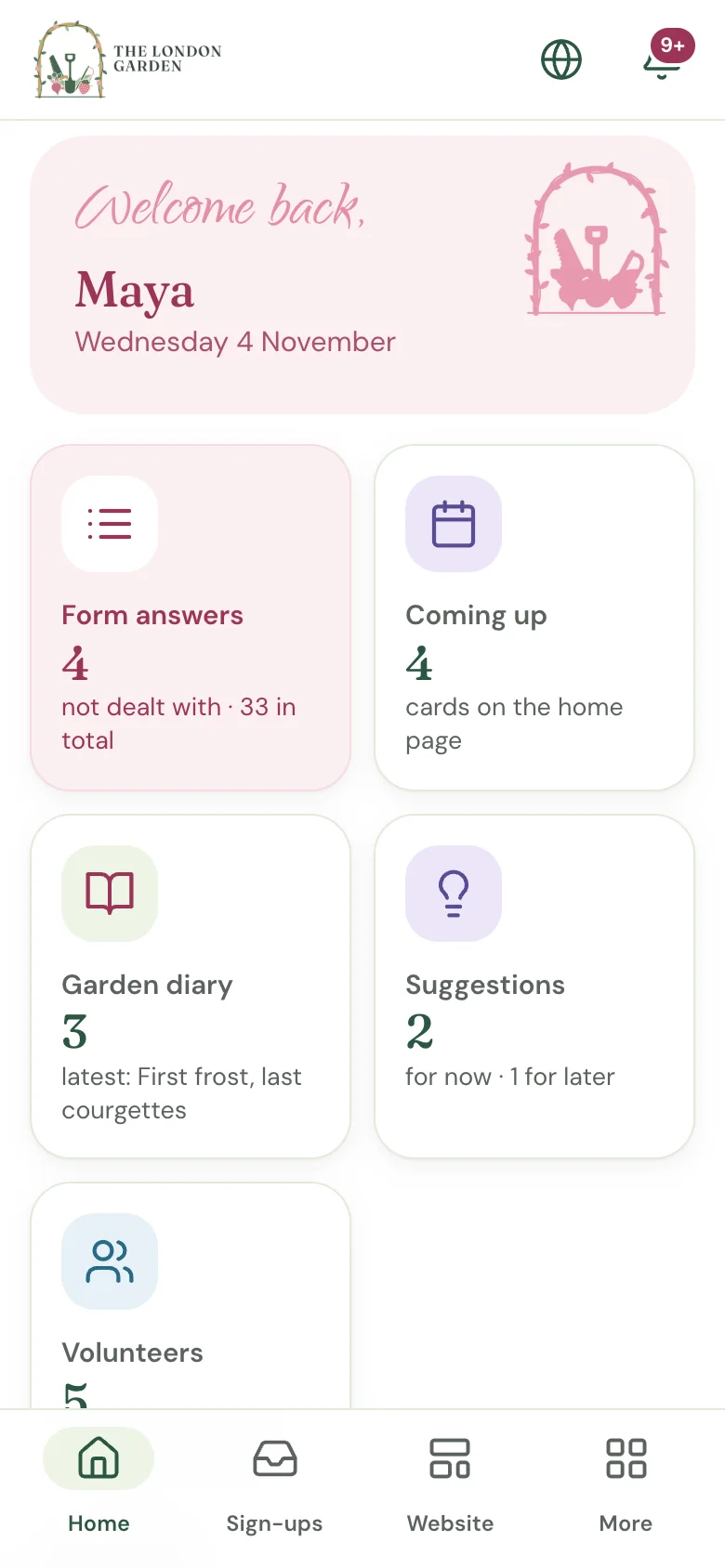
And this is the admin. Home puts whatever is waiting for a reply first. Sign-ups have a button for each way to get back to someone, and a tick once that’s done.
This is how we worked together. Each suggestion has a status and its own thread, and the board says when I’ve replied or finished something.
Every name, phone number, message and amount in these app screens is made up. They are the real app, run on my machine with invented data.
We are nature people and like mud. Just not on a logo.
A tool of its own
The organisers also kept track of money in documents: what each bit of money was for, what had been spent and who still needed paying. I turned those documents into a money tracker inside the same app. Each source of money gets a tab, split into pots for what it pays for, and every spend is a line. It works out what’s left, warns before a pot goes over, keeps a record when money moves between pots, and checks what’s in the bank against what the pots still have to pay for.
Nothing about it is special to a garden. A shop, a run of workshops, donations or a small grant work the same way: money comes in, it’s meant for certain things, and people get paid. That was the organisers’ idea, so here it is on its own as Money Pots, filled with a made-up community hub. Add a spend, move money between pots or pay someone for their hours.
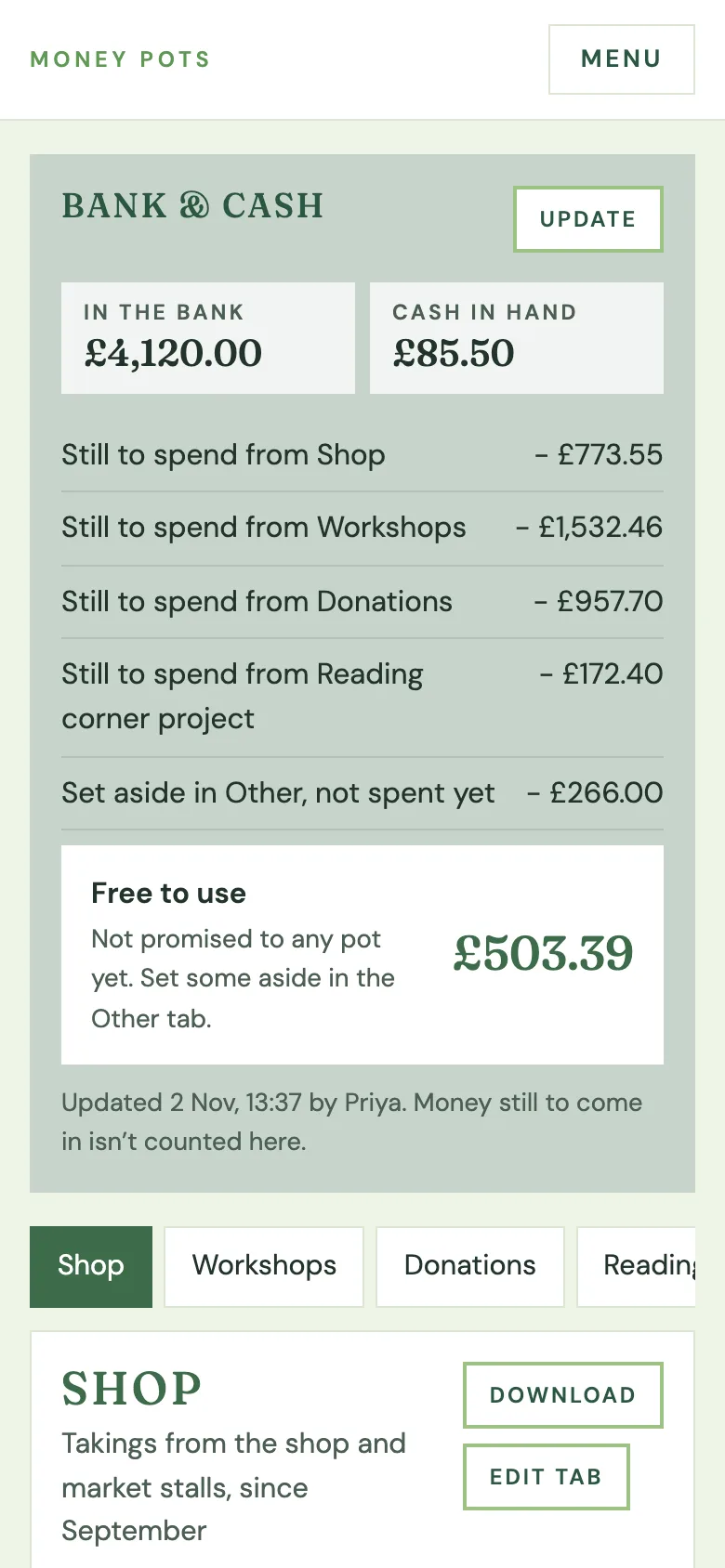
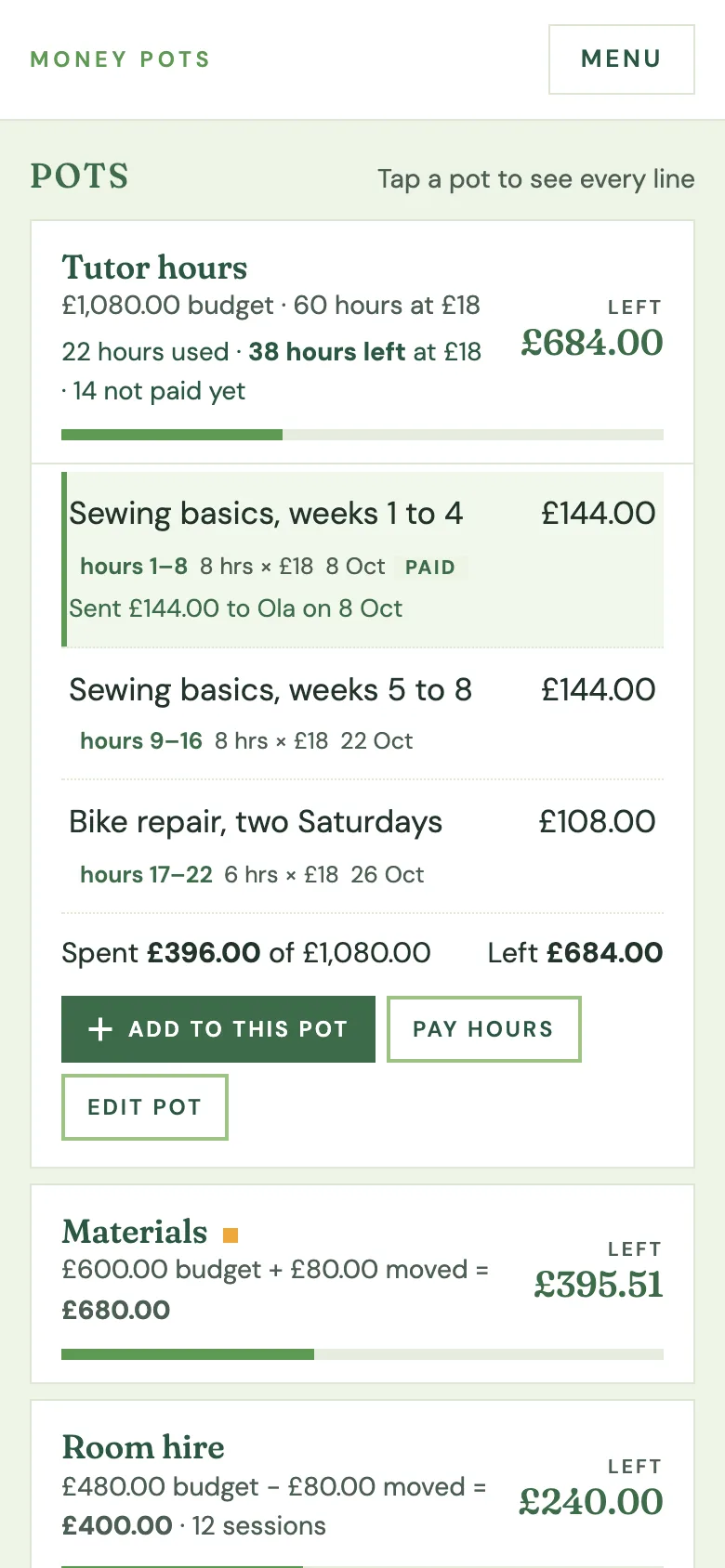
Money Pots is the tracker’s own code, with general words in place of grant words, running in your browser against invented figures. None of the club’s money is in it, and nothing you do leaves the page.
Evidence
- The logo went through seven rounds, from a first sketch on 22 September to the final arch on 7 October 2026.
- The new site went live on 3 October 2026. The old WordPress was backed up and removed that evening.
- On 8 October I checked all 27 public pages and about 90 admin views at widths from 320 to 1920 pixels.
- The suggestions board started with 16 requests from the club’s emails and had about 60 by 7 October.
- The first spam message came through a form on 7 October. A link filter and an invisible spam check went onto every form the next day.
- By 4 November 2026, the site’s own forms had taken 51 sign-ups for eight workshops, and 24 participants had filled in the registration form.
The site doesn’t track its visitors, so there are no visitor numbers here. The sign-up numbers are counted from the admin.
Because the website is so good, no one has to imagine what we do.
Result
The London Garden has a brand, a website at londongarden.org and an admin the volunteer teams run themselves, all built in about three weeks, from 20 September to early October 2026.
How I used AI. I designed the brand, the site and the admin, and built them in code with Claude Code, working from my direction. The logo rounds were drawn as vector files the same way.
In their words
The organisers wrote this review for the page in October 2026. It’s in their words.
“Building websites for community organisations was our hobby, but over time we found even updating our own website, due to all the different frameworks, became tiring.
We came across The Designer’s work and wanted to have a go. Leave alone website editing, updating with new posts etc., our admin workload is so heavy that burnout was happening more than enjoying the process. We made several documents to make admin as clear as possible, to make everything trackable, but it also added to our tasks.
We had mentioned it to The Designer and he transformed our administrative documents into our own bookkeeping programme, which could also be accessed from an app. This was incredible, as previously we had to make time to go on the laptop, something we struggled to do in volunteering time as we have so many other jobs to complete.
We found replying to hundreds of emails becoming overwhelming and signing in to webmail a long process. The Designer made a simple one page login, accessible from the phone and laptop.
As for the website itself, it has been so freeing. Perhaps as former website builders, we had ideas, dreams and wishes for the website, but it was becoming so difficult to execute on WordPress. Simplicity has been replaced with overload there. The Designer was able to take our thoughts and put it into this website and app. Now, it’s so easy to add a post, an event, a sign up form; there is no need to use multiple different sources, for example Google Forms, a calendar plugin and so on. It’s all done within this app. The mental load has washed away and we enjoy using the app so much.
There were some things we weren’t sure about, such as moving over from WordPress, because we worried about not being able to customise as needs change as the group moves along, despite the issues we faced with WordPress. However, from seeing The Designer install the core features exactly how we wanted it, we were convinced to make the switch. It has been a relief in all honesty.
The suggestion board has been amazing. Whilst using the app, there were features we certainly missed from WordPress, the little things, and so whilst this app was designed from scratch, there was no issue in The Designer adding those features we enjoyed.
We also found that this app made us invite simplicity in admin work. We don’t need to have an unlimited amount of features to make a post. We can focus on the most important things. This has really changed the game for us and added so much clarity.
We have continued to work with The Designer to build features for volunteers, workshop leaders and attendees within the app. It’s been well received by everyone. It really is an incredible system. The core website is done to a very professional level, and we are so delighted with the result. An advanced app, yet simple to use. We’d like to thank The Designer for listening to our requests and executing them. It has been a pleasure and very refreshing.”
The mental load has washed away.
What I'd change next
On 2 November 2026 the site and the admin moved to a Cloudflare account the club owns, so everything is in the club’s hands now. Next, I’d like to make Money Pots ready for other groups to use on their own, and keep building what the club puts on the board: features for volunteers, workshop leaders and the people who come to the workshops.


